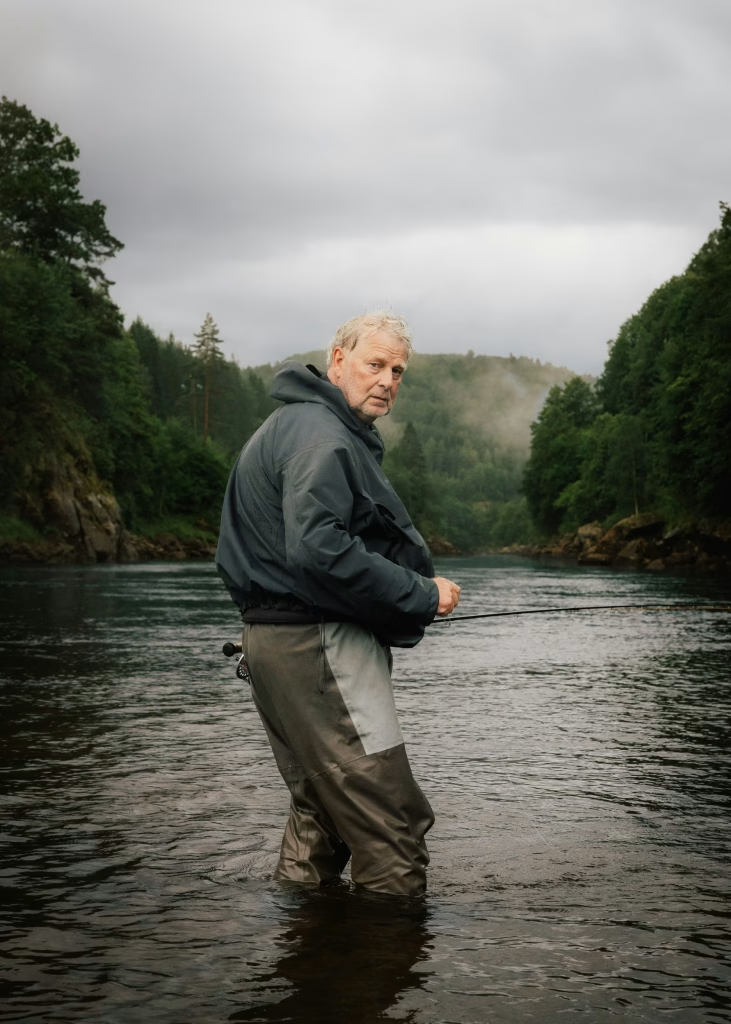
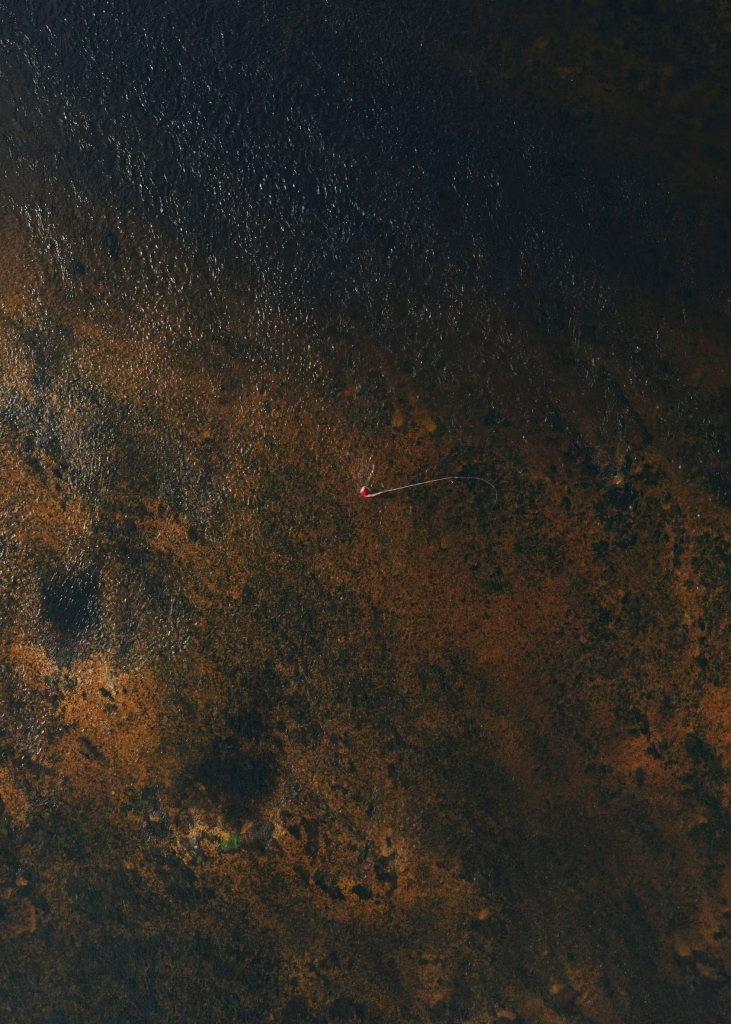
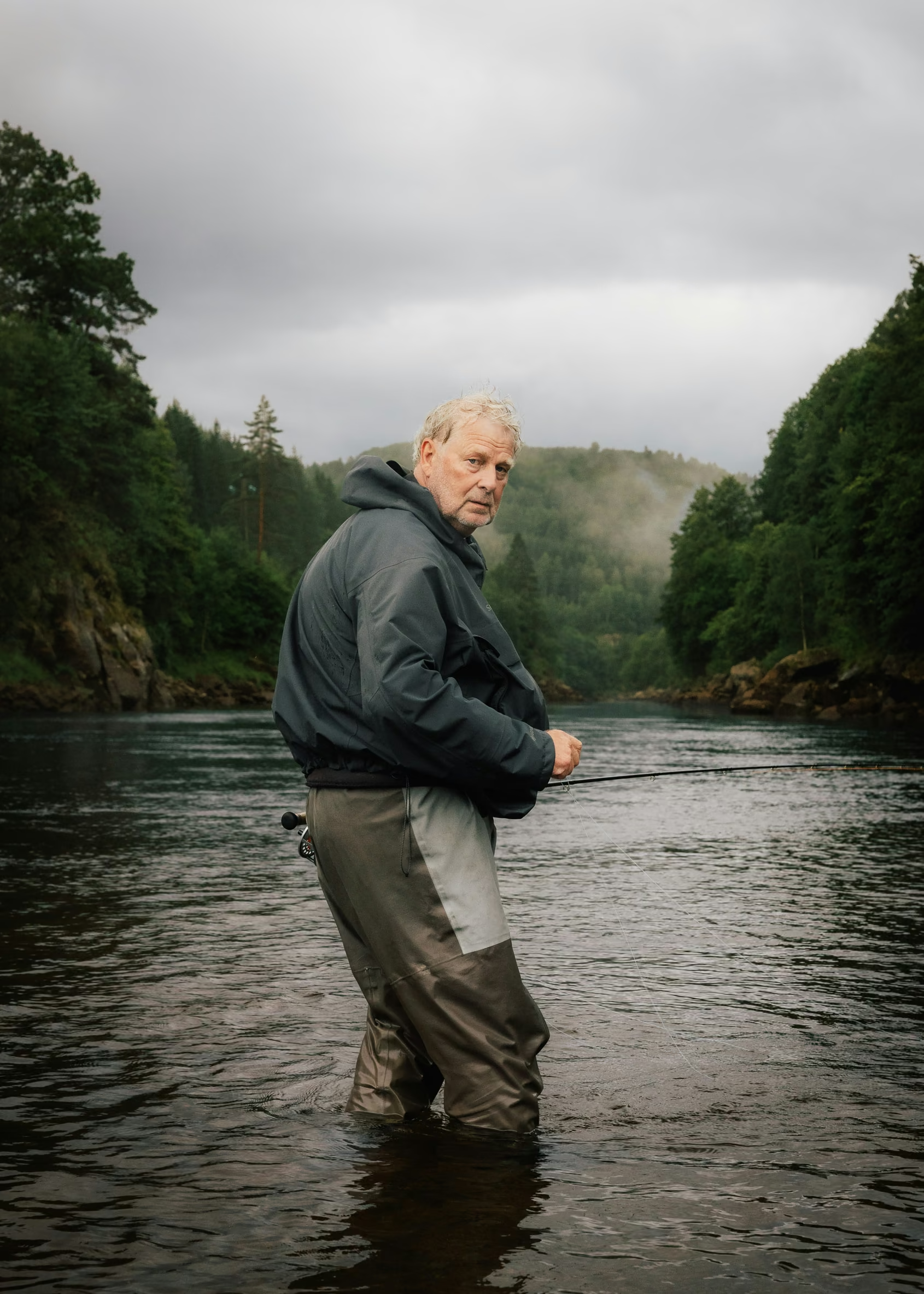
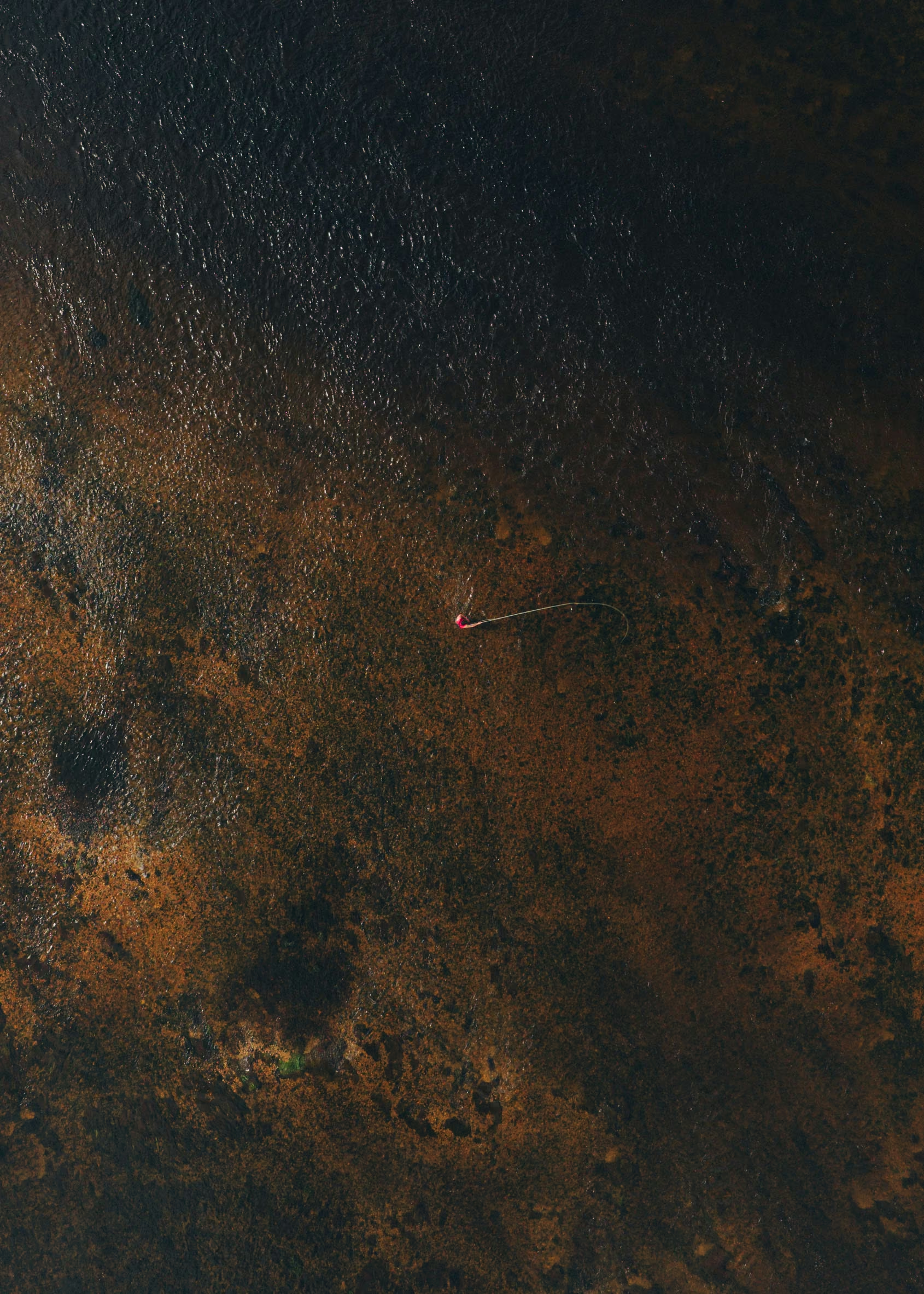
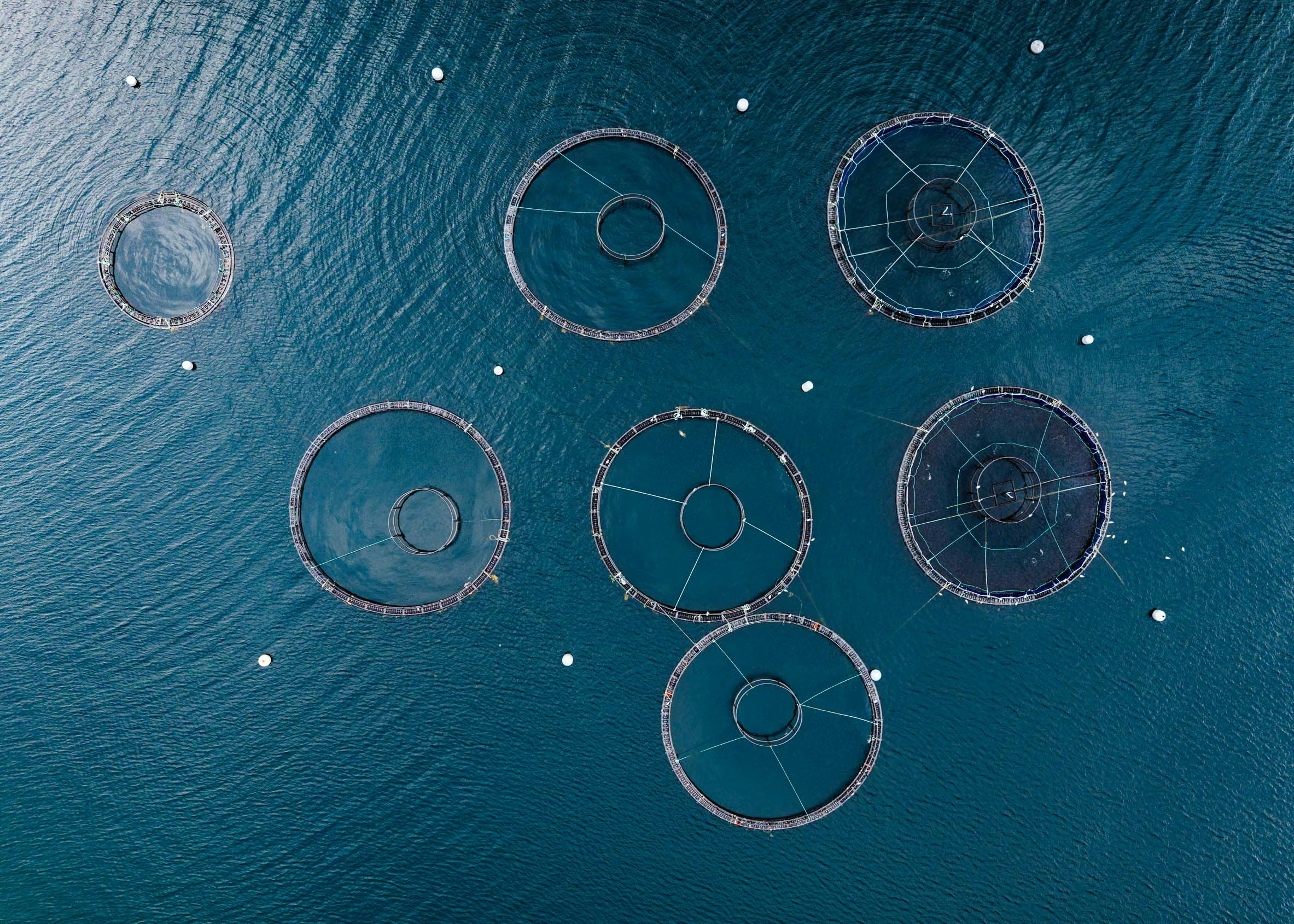
The Atlantic salmon is an animal that transcends boundaries. It is born in freshwater, spends years in the open ocean, and finally returns, guided by instinct, to the very place where it first saw the light of day. Over thousands of years, this journey has made it one of the most significant fish in the North—culturally, ecologically, and symbolically.
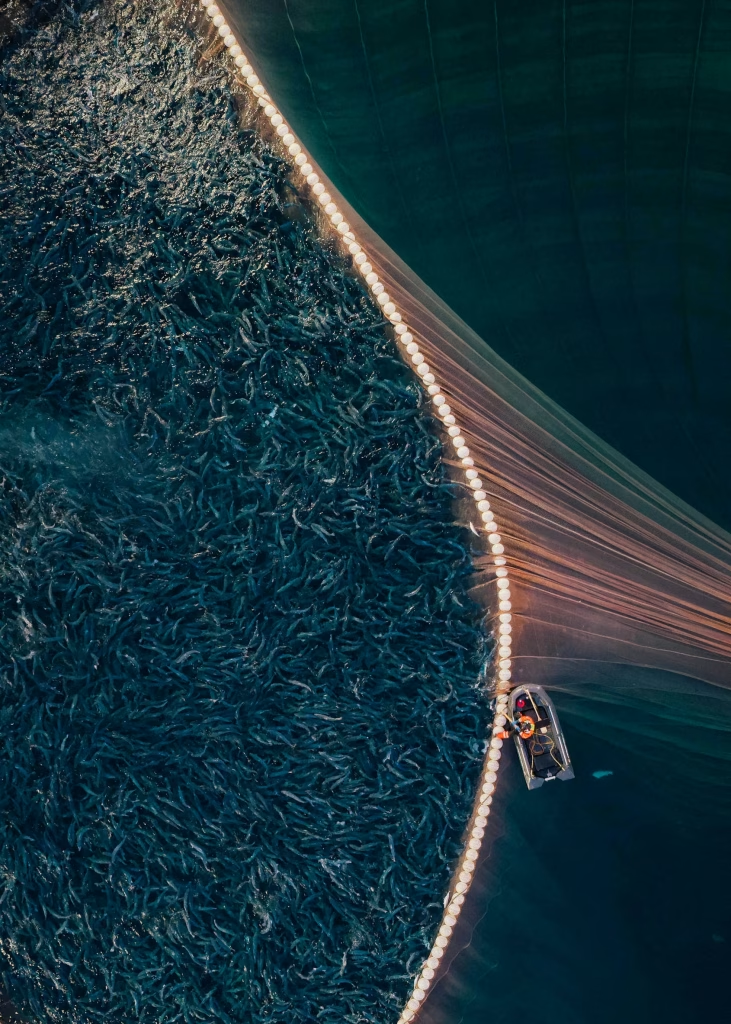
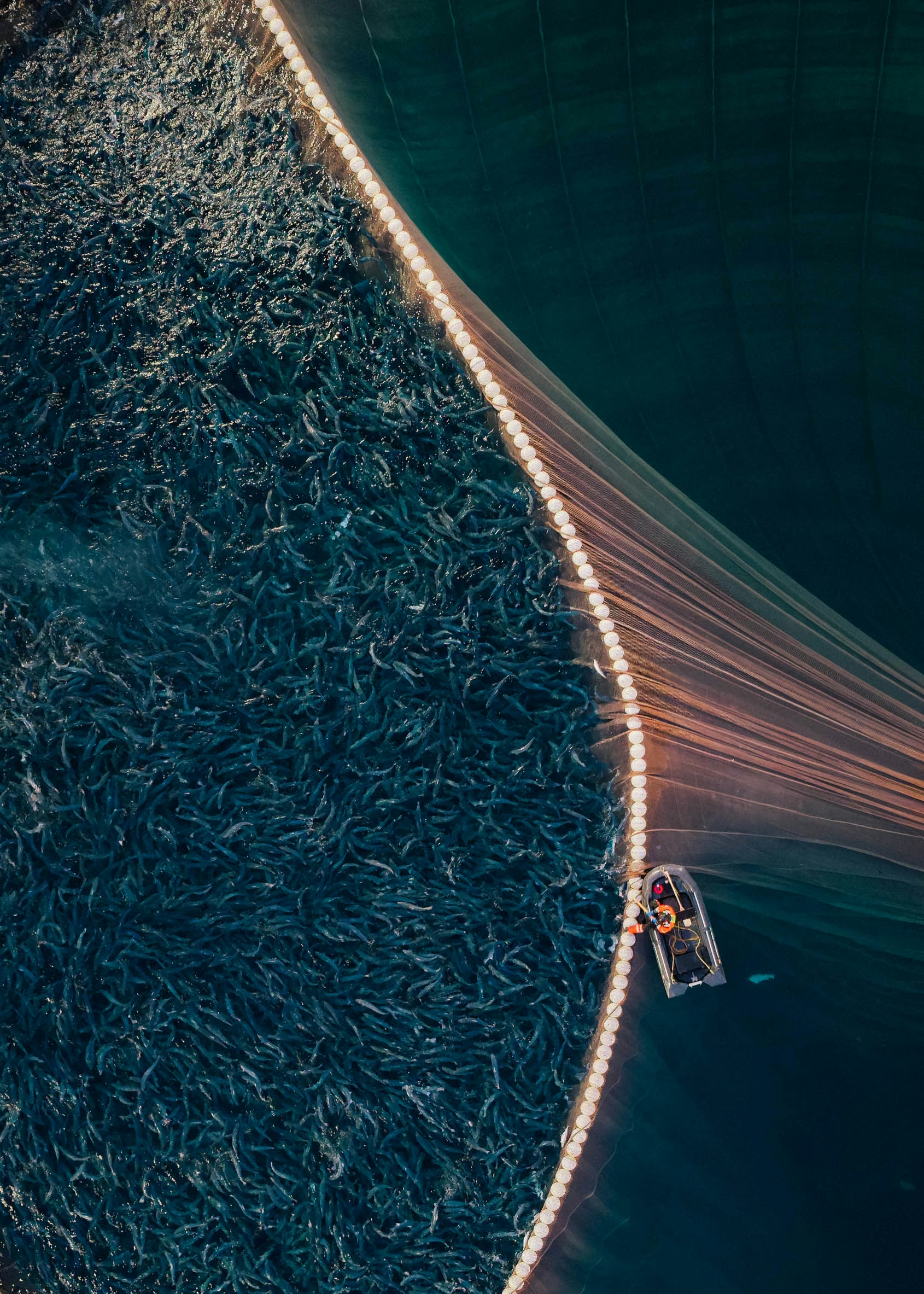
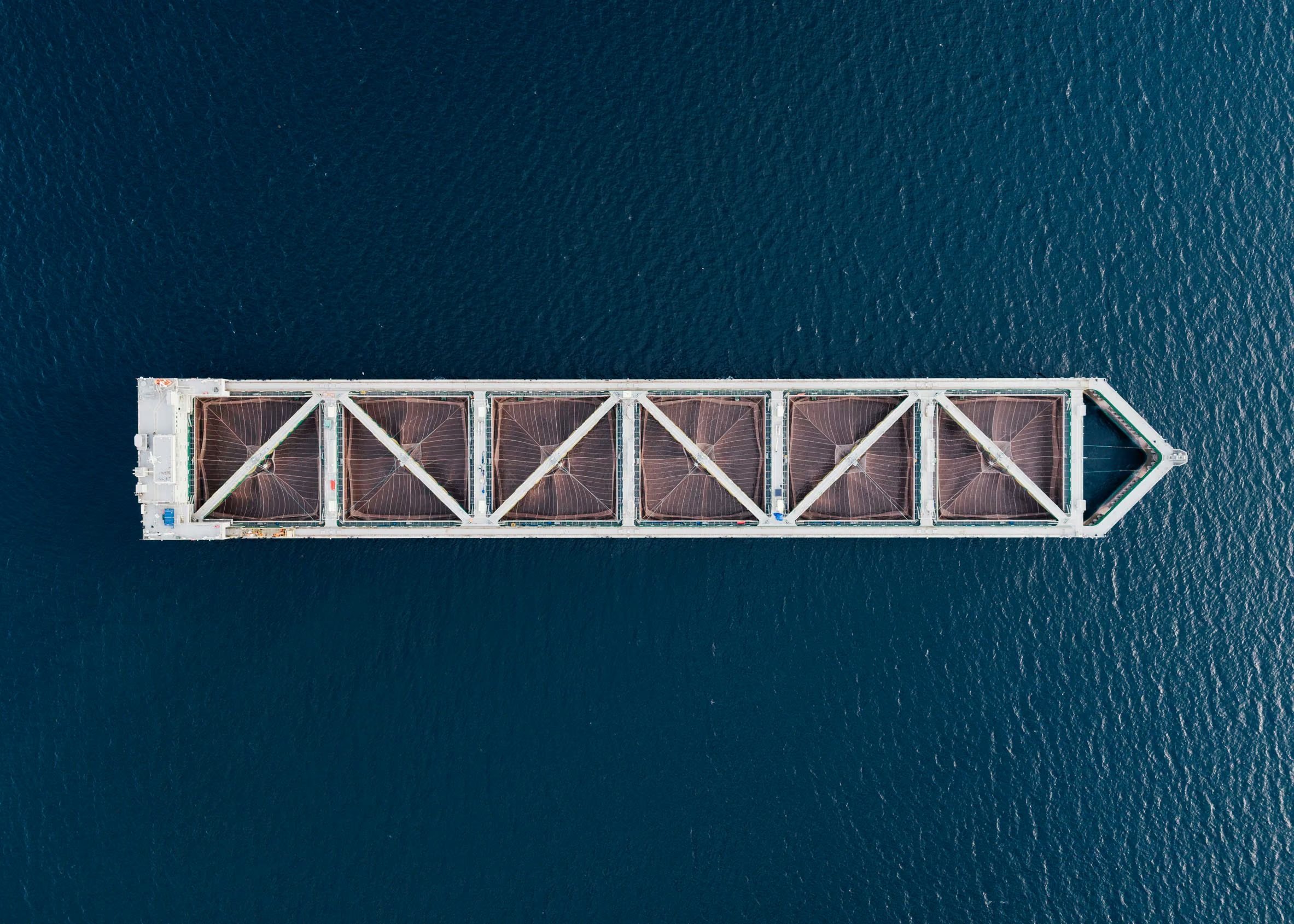
Today, the global salmon industry is a billion-dollar business. Caught between maximizing yields through industrial precision and preserving nature’s fragile balance lie our notions of food, progress, and responsibility. Salmon is regarded as a symbol of modern nutrition: a global product that embodies efficiency, growth, and technological progress, while at the same time revealing the ecological limits of this perfected production process.
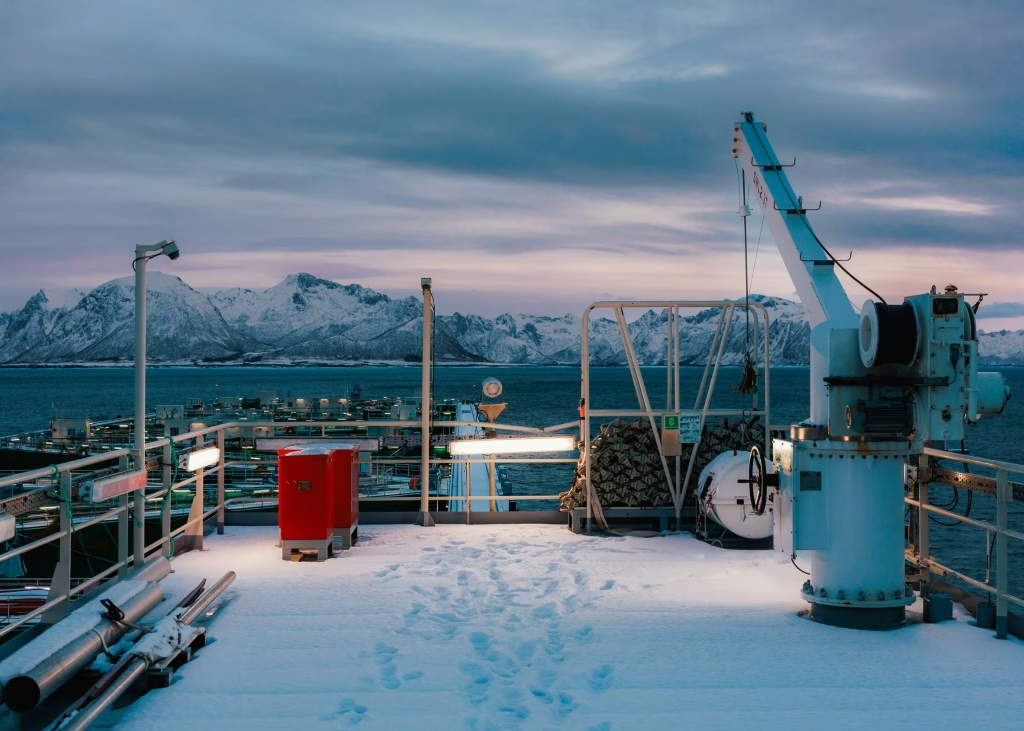
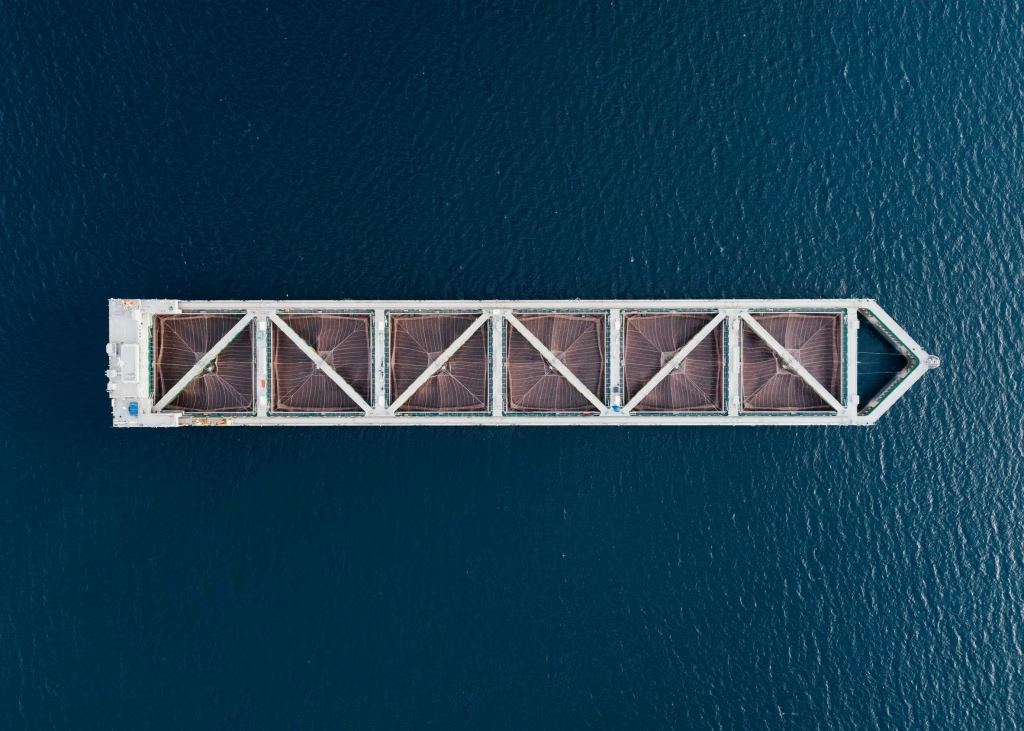
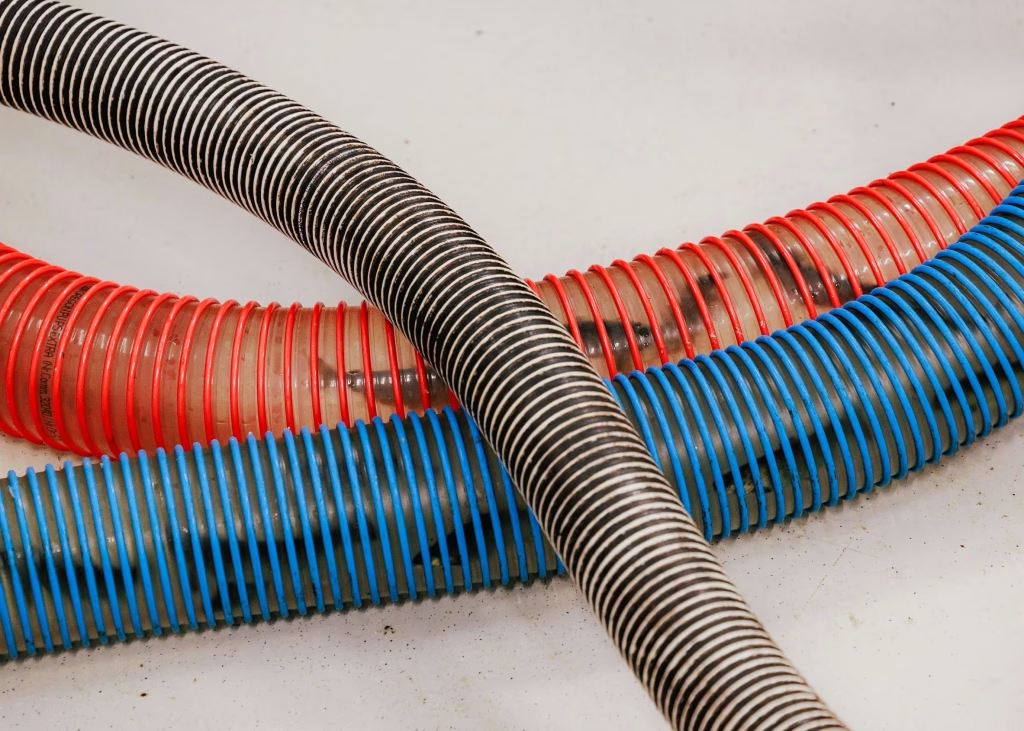
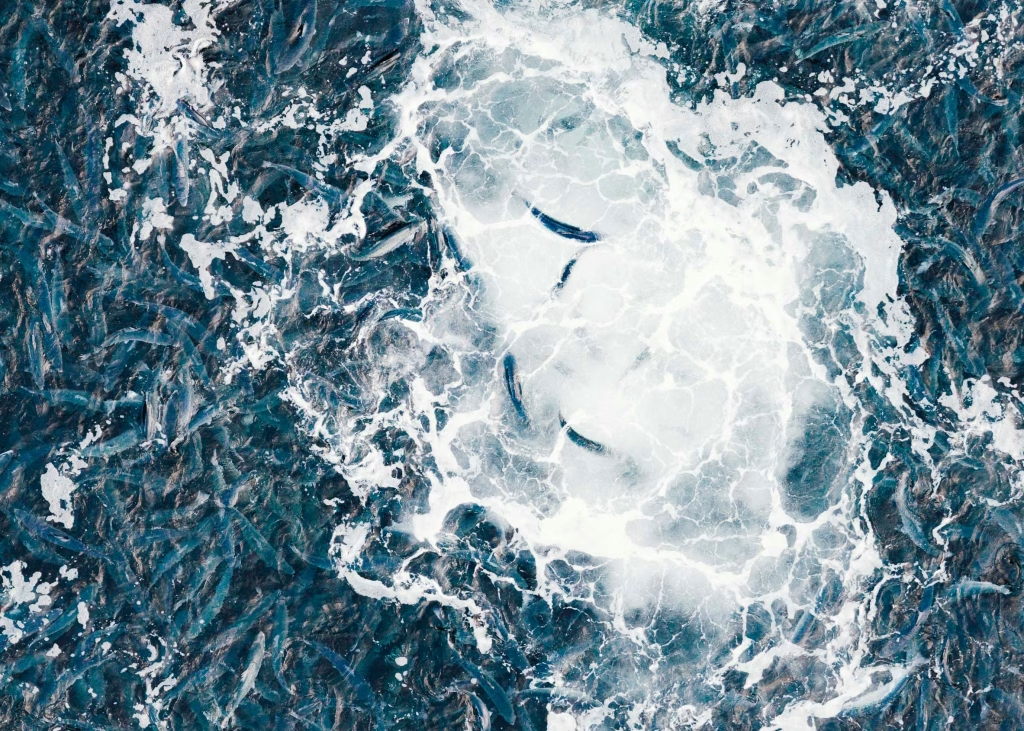
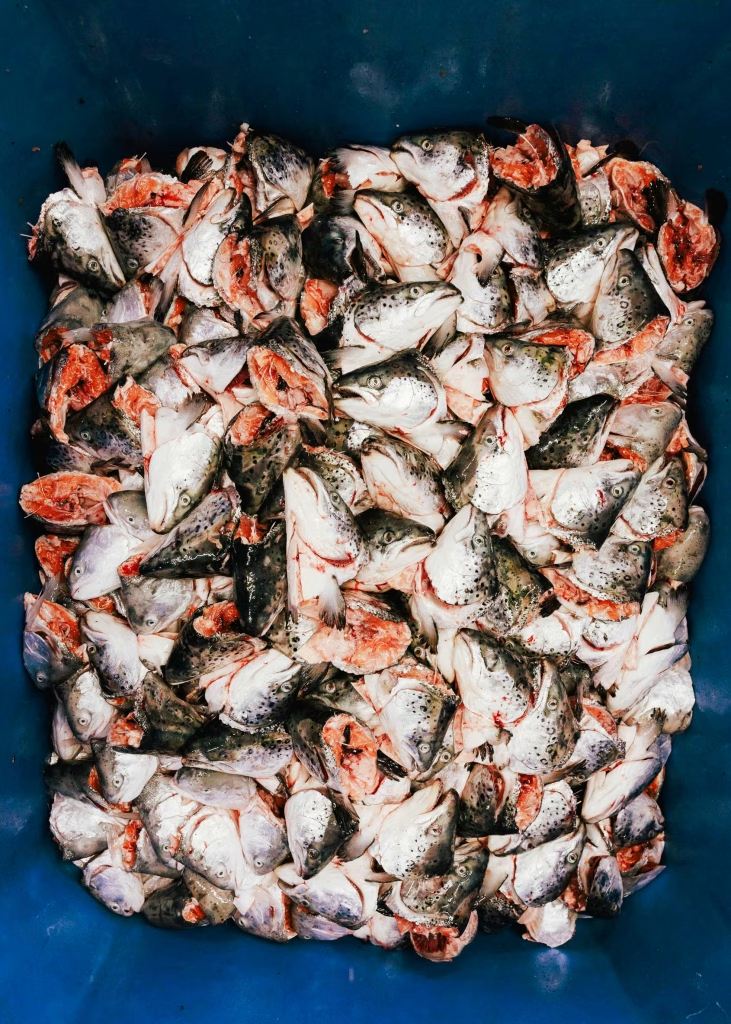
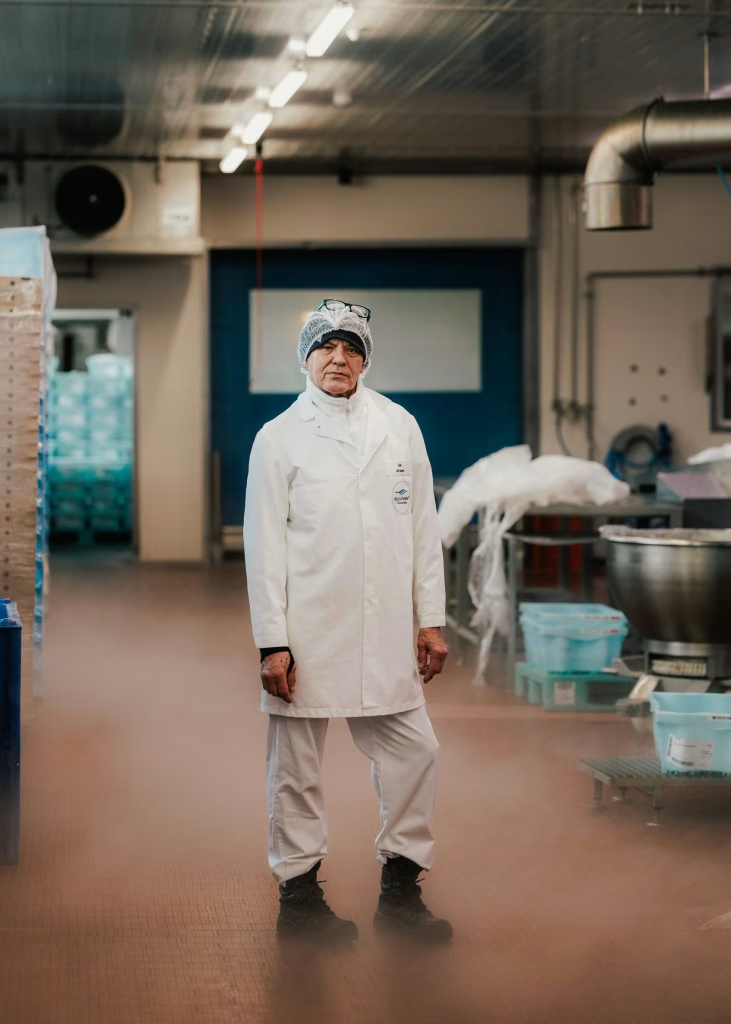
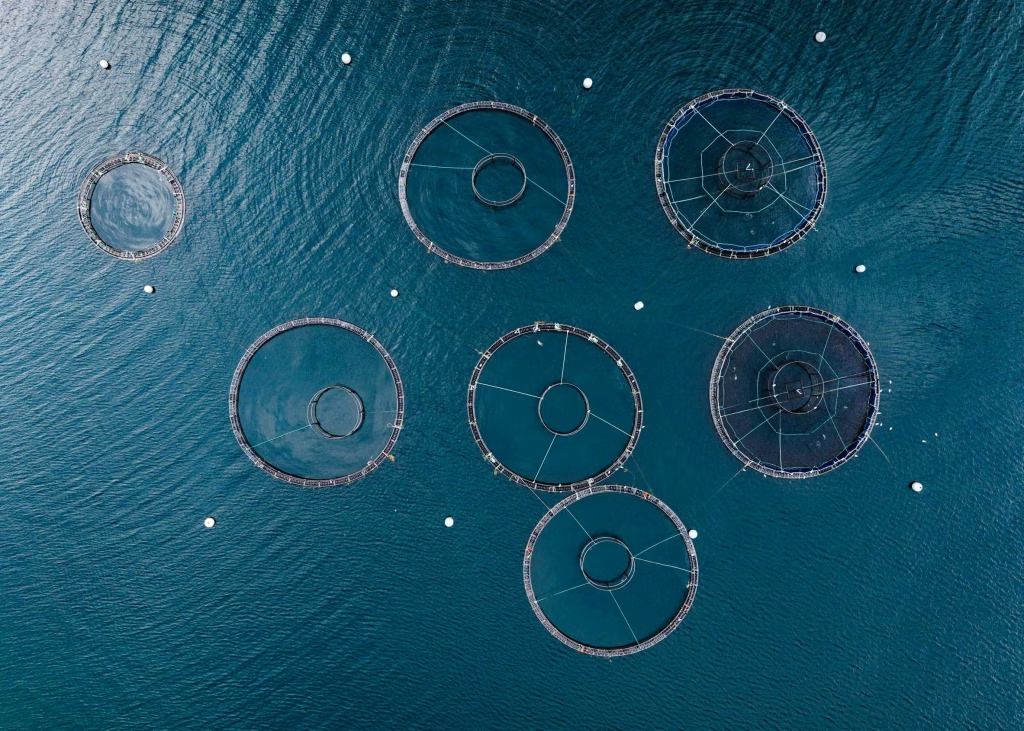
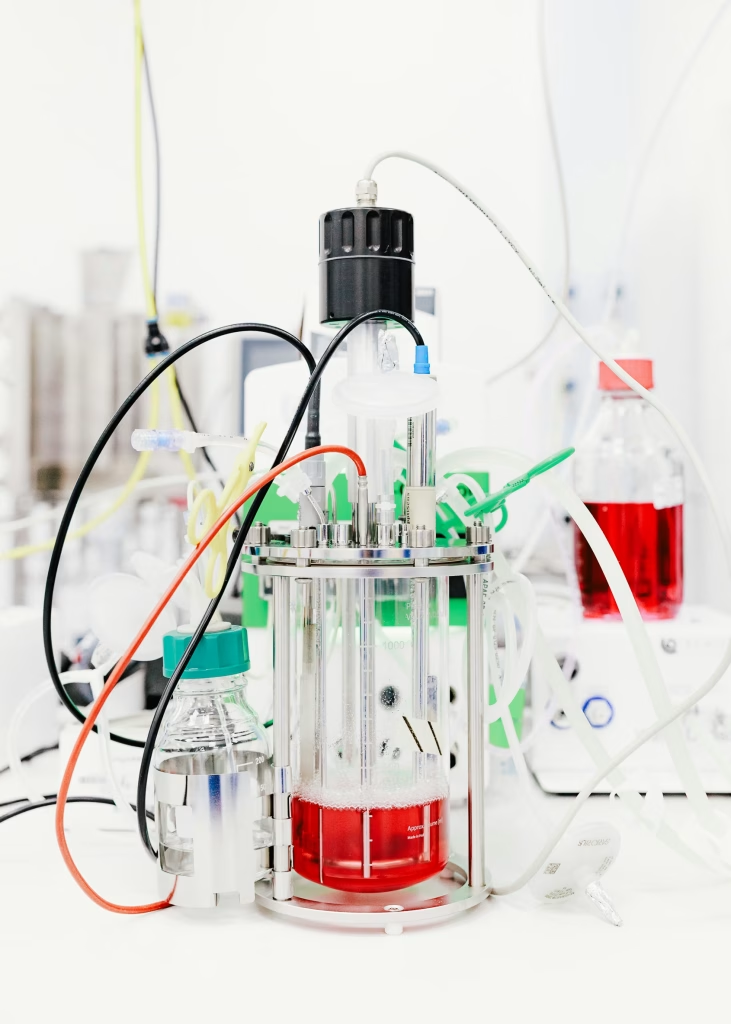
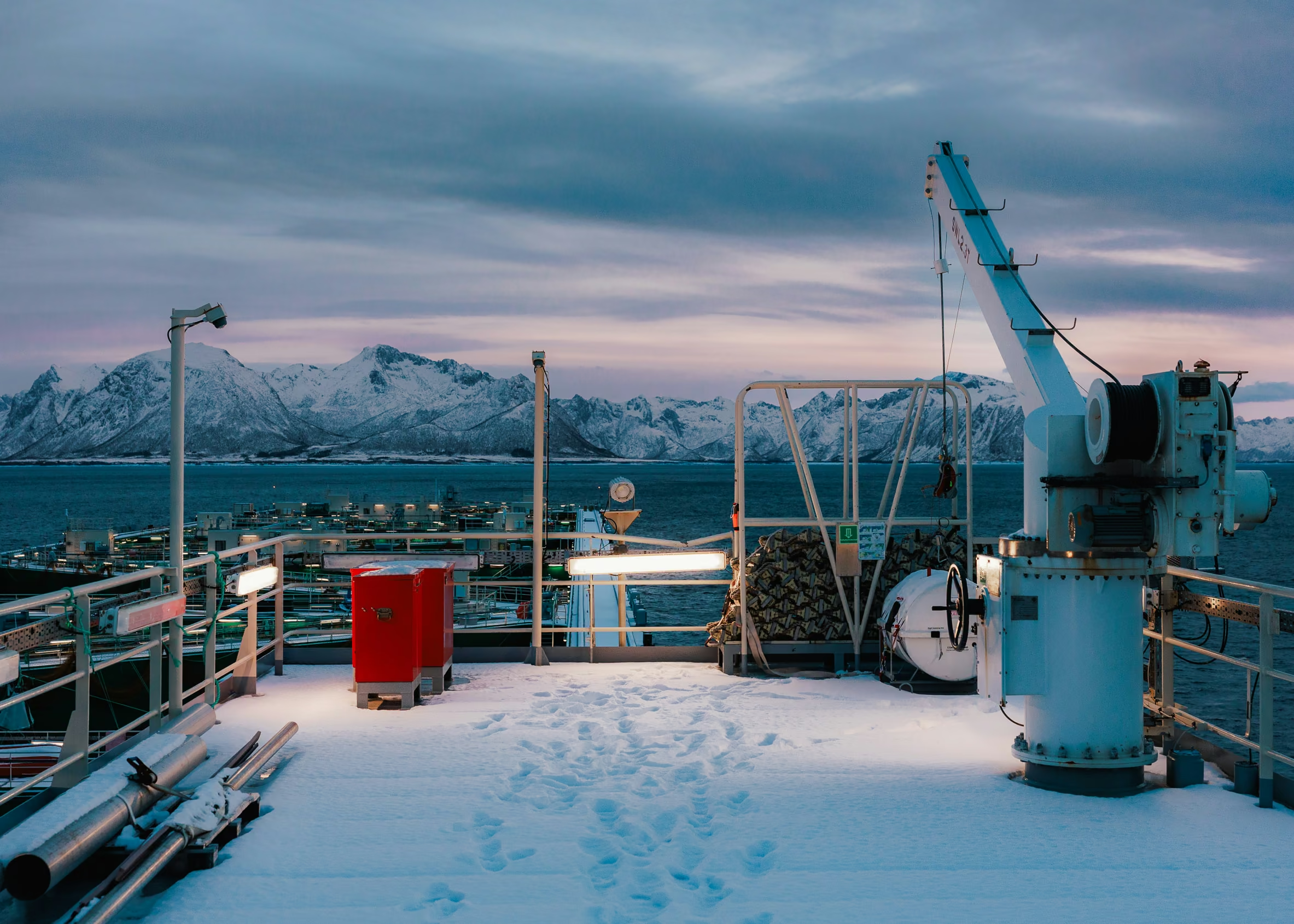
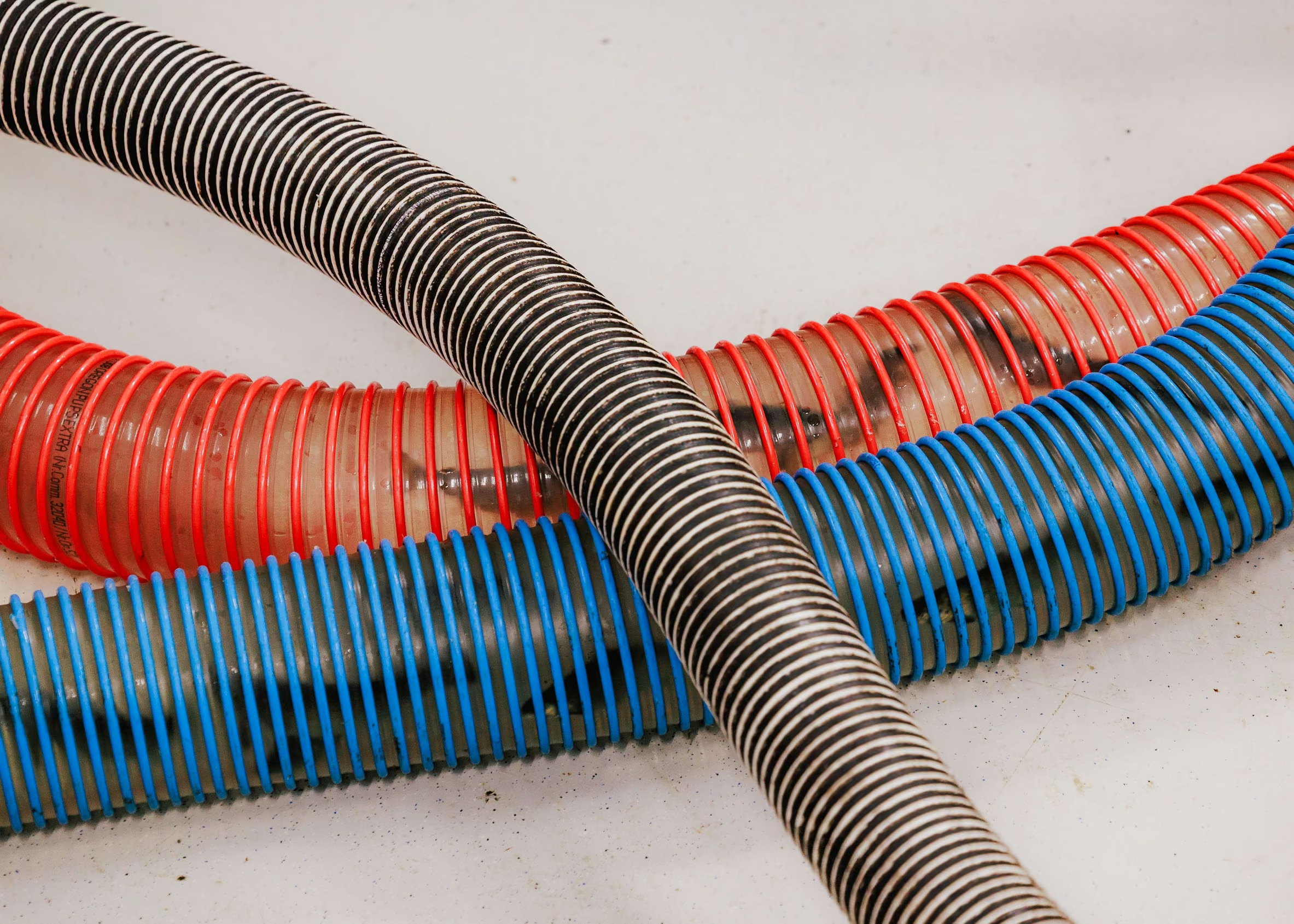
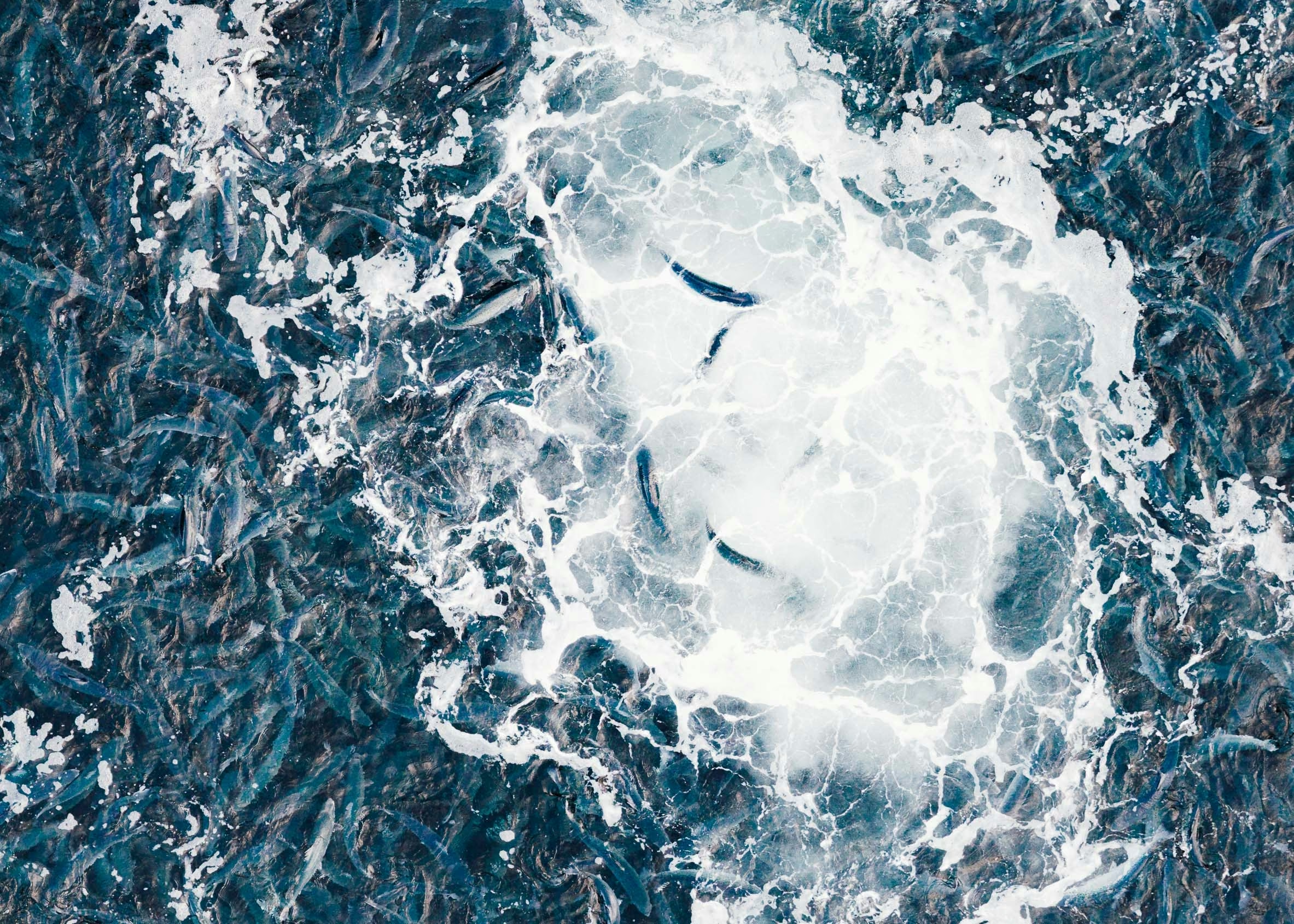
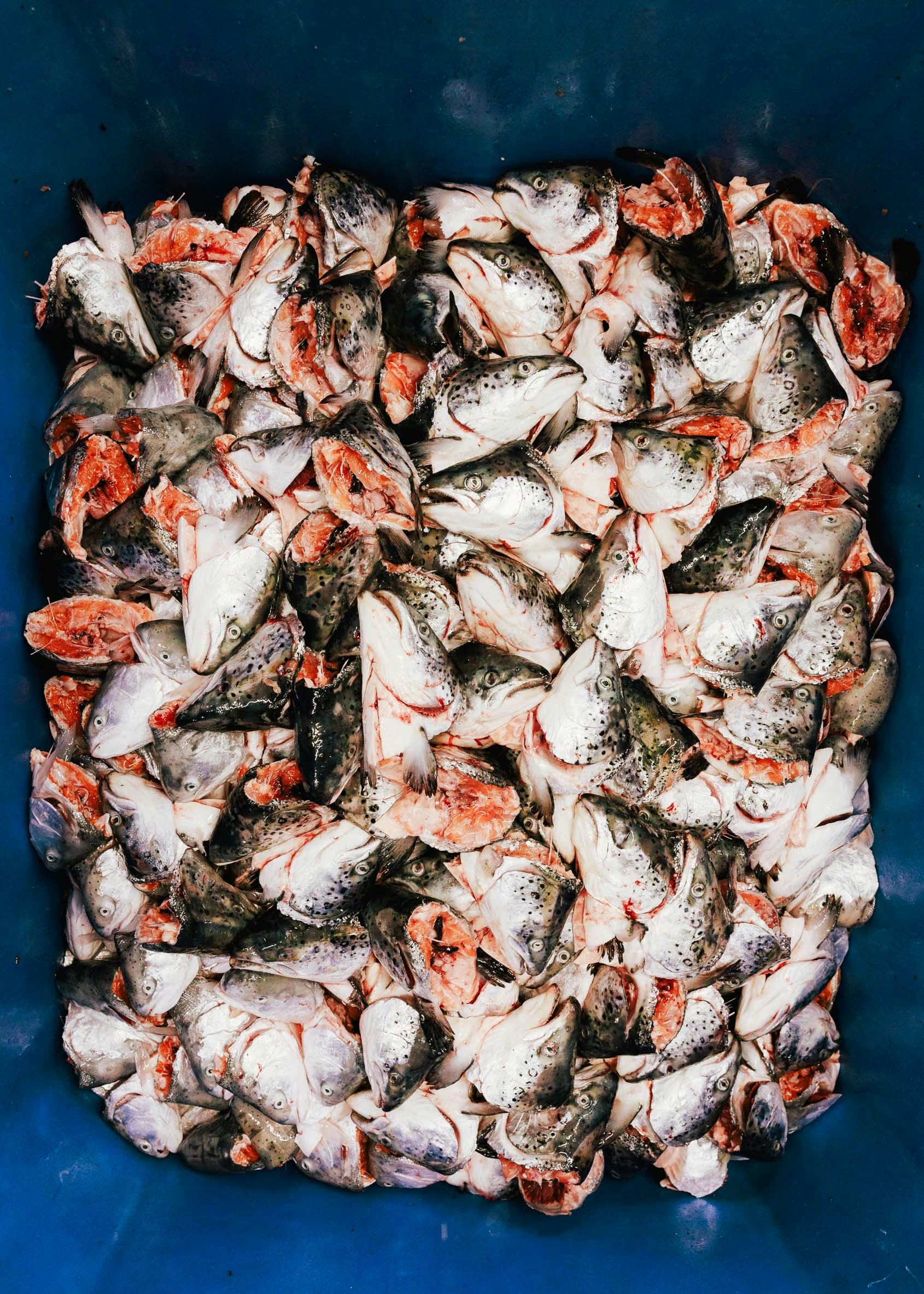
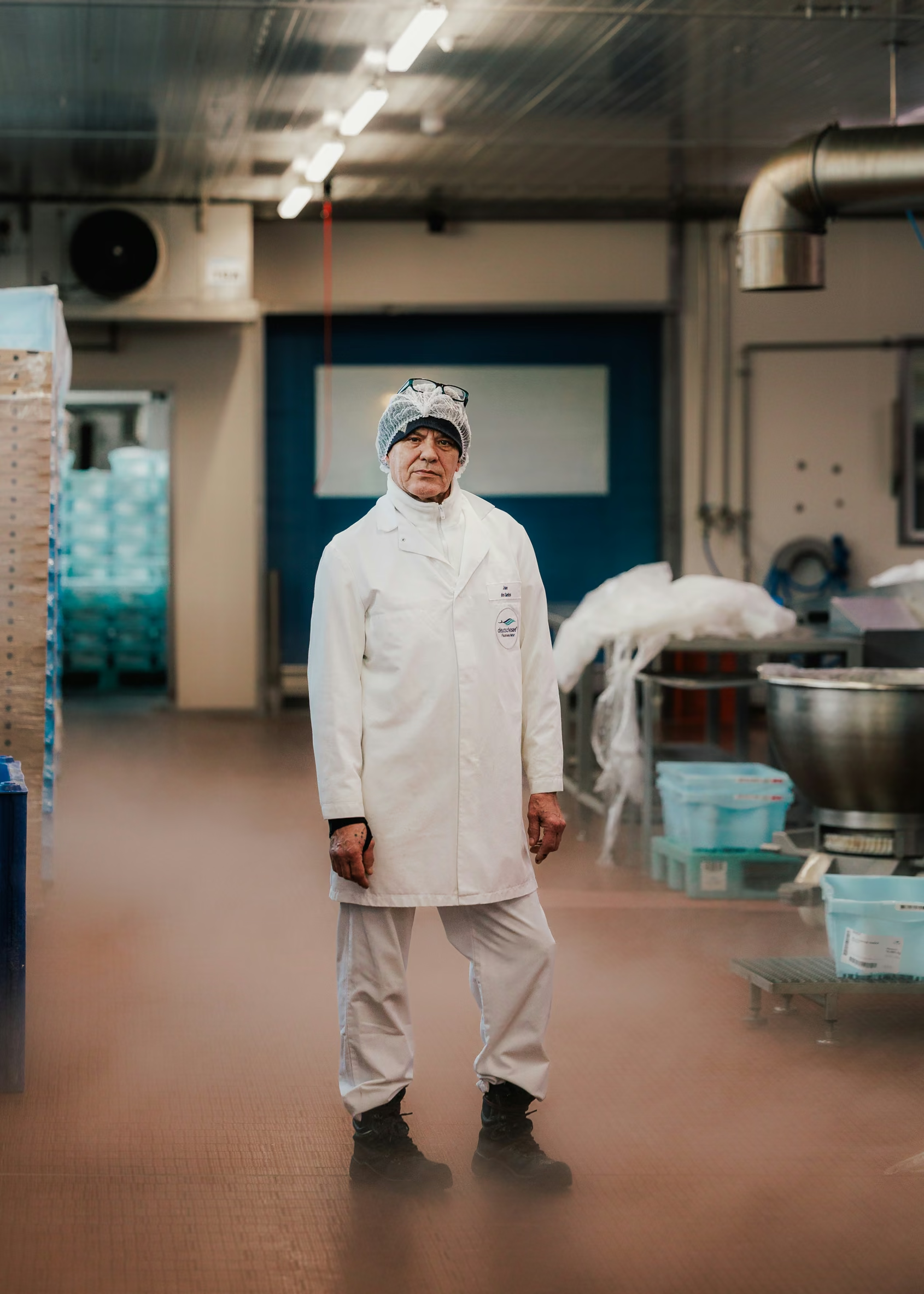
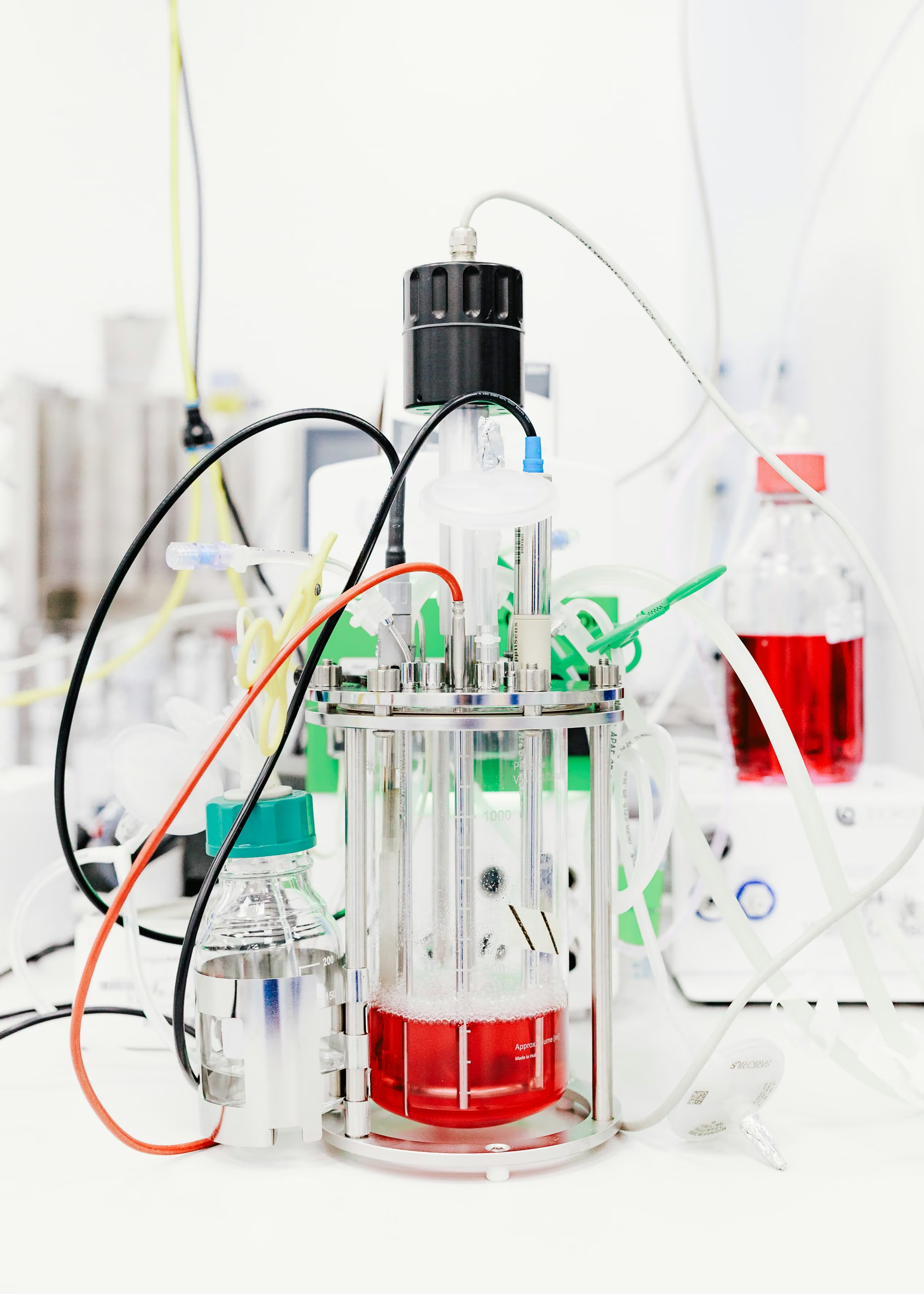
A salmon’s journey along the production chain begins with rearing and includes processing and transport. But alternatives are also being researched: in laboratories where cell-based variants are produced. Throughout these diverse locations associated with salmon, people are always present: breeders, technicians, workers, and scientists. Their actions, tools, and work environments reflect globalized food culture.